

NATO Head Coming to Washington DC as Germany Passes Law Requiring 17 to 45-year-old Men to Get Govt Permission for Travel
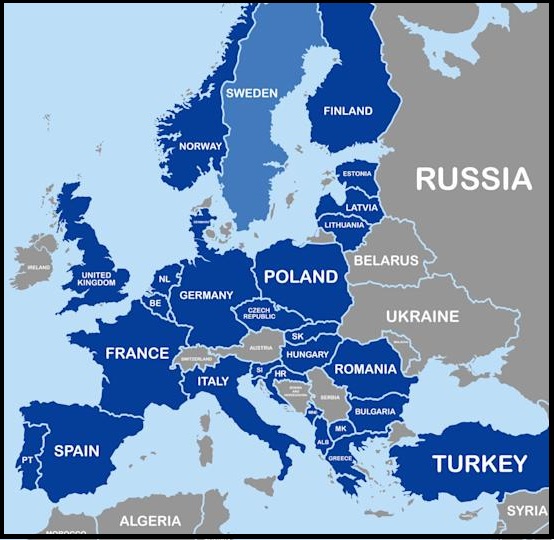
There are approximately 45,000 U.S. troops on NATO bases within Germany. NATO General Secretary Mark Rutte is scheduled to arrive in Washington DC on Wednesday, following remarks by President Trump and Secretary of State Rubio about possible changes in the U.S. relationship with NATO.
Simultaneous to this, the German government has now enhanced their conscription laws with a requirement for all males aged 17 to 45 to request permission for travel out of Germany if their exit will be longer than 3 months.

As part of a rather unusual Russian invasion deterrence, Germany is trying to hit a new target of between 255,000 and 270,ooo active and trained military troops by 2030. The new conscription targets seemingly underpin a travel permit system for German men.
GERMANY – Germany has implemented a significant reform to its military conscription law effective in 2026, mandating that nearly all men aged 17 to 45 must obtain approval from the Bundeswehr before leaving the country for more than three months. This change, part of the Wehrdienst-Modernisierungsgesetz, expands the previous restrictions beyond crisis periods, applying continuously regardless of Germany’s security situation.
The reform aims to bolster the Bundeswehr’s personnel from about 184,000 to between 255,000 and 270,000 by 2035 by reintroducing mandatory conscription examinations for young men. However, the implementation details—such as the approval process and possible exceptions—remain unclear, creating uncertainty among affected individuals. The Bundeswehr is actively working to clarify these procedures and reduce bureaucratic hurdles but has not yet specified consequences for those who depart without permission.
This major policy shift has stirred significant public reactions, including widespread school strikes and influential peace demonstrations during Germany’s traditional Easter marches held from April 2 to April 6. The marches, involving over one hundred events nationwide, address issues ranging from human rights and climate change to ongoing conflicts in Ukraine, Iran, Gaza, and Syria. This year, the new military regulation prominently features among the march themes. (read more)
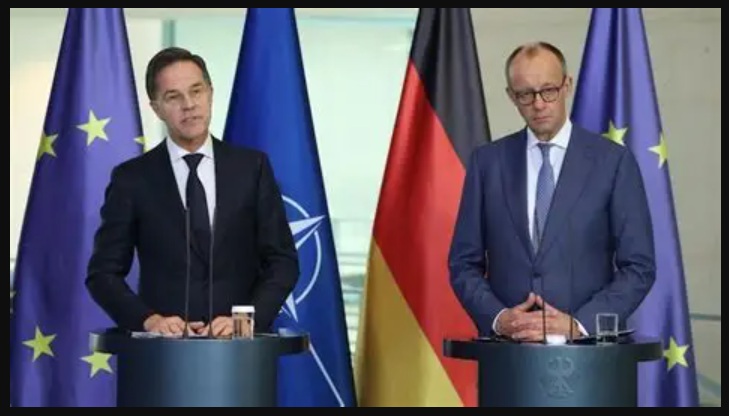
As noted by Euro Weekly, “Chancellor Friedrich Merz recently hosted Syria’s new president during talks on refugee returns, as part of Europe’s rapid backtrack from pacifism toward heightened security doctrines. NATO Secretary-General Mark Rutte earlier flagged possible Russian invasion risks by 2030 while tensions with US President Donald Trump raise questions over 45,000 American troops stationed in Germany.”


Post a Comment