

Australia’s Social Media Ban for Those Underage-16 Structured Like a Global Intelligence Op

If New Zealand and Australia, both 5-eye partners, were not used as the testing ground during the COVID-19 and vaccination exploits, this current move may not have gained the same level of scrutiny. However, with a documented history of Australia pushing the limits against freedom and liberty, this latest development is notable.
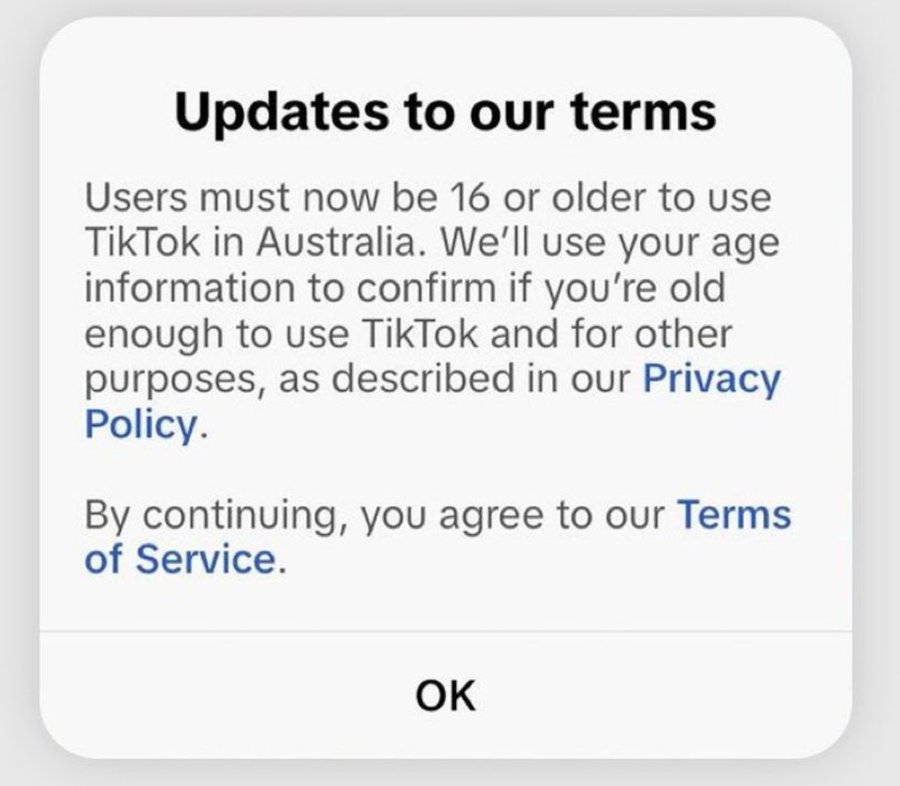 Effective today, all Australian social media users will need to prove their age on websites and apps including Snapchat, Facebook, Instagram, Kick, Reddit, Threads, TikTok, Twitch, X and YouTube. Users under the age of 16 are banned from accessing the sites/apps.
“But it’s only Australia,” say most. Think again. In the era of modern internet travel and Virtual Private Networks (VPNs), how is the compliance aspect going to be determined? That’s the problem the Australian control agents are now trying to address.
An intellectually discerning person would note the compliance angle should have been worked out long before the regulatory and compliance switches were flipped and the rushed-into-place law was activated. The Internet Police Czar charged with enforcing the ban is an American.
As Politico notes, “Australia’s eSafety commissioner Julie Inman Grant, an American tasked with policing the world’s first social media account ban for teenagers, acknowledges Australia’s legislation is the “most novel, complex piece of legislation” she has ever seen. … She told a conference in Sydney this month she expects others to follow Australia’s lead. “I’ve always referred to this as the first domino,” she says.
The Australian legislation passed through their parliament less than a year ago, with UniParty and public support. “It was really fast,” Rebecca Razavi, a former Australian diplomat said. But she added: “Some issues, such as how it works in practice, with age verification and data privacy are only being addressed now.”
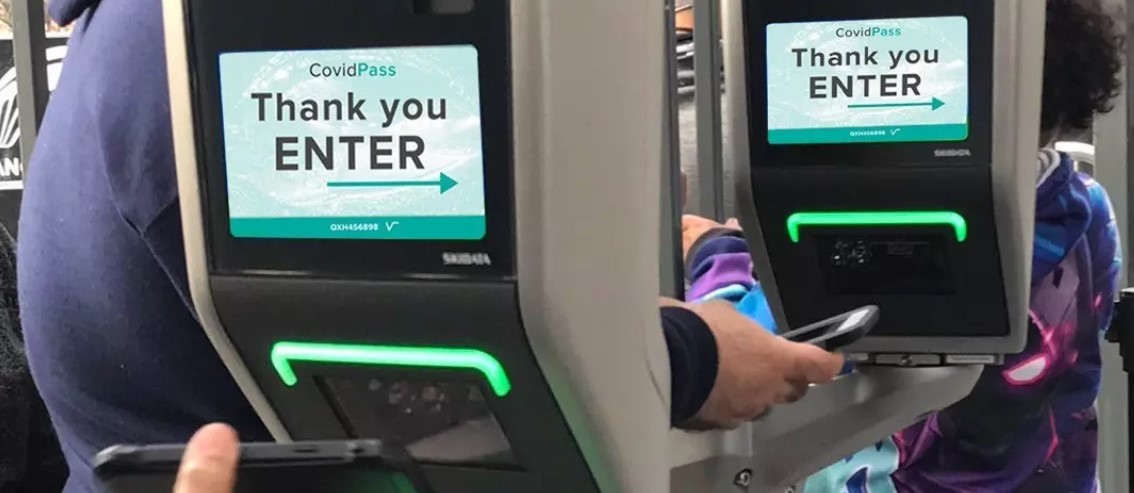 Given the issue of global VPNs, the compliance issues around age verification will have to accompany issues around geographic identification for various social media platforms.
That issue expands the internet identity verification to areas beyond the geographical boundaries of Australia.
(VIA CNN) – […] To comply with Australia’s law, platforms are verifying users’ ages with official documents or by using AI systems that estimate a user’s age by scanning their face on camera. Last year, Australia conducted a government-funded study testing age verification methods, which convinced officials that it could be done without compromising privacy.
Such AI age estimation tools have raised accuracy concerns when deployed elsewhere. In the UK, teens reportedly used the faces of video game characters to bypass age gates when some platforms tried to verify their ages.
Critics have also said these systems raise privacy issues for all users who will have to provide biometric data or other sensitive information, even if they’re above 16.
For example, some users protested when YouTube said this year that it would start using AI to detect users’ ages in the United States in a bid to protect children. They didn’t like the idea of having to hand over an ID or face scan if they were wrongly identified as a teen.
In Australia, platforms will be required to delete users’ data after verifying their ages.
Could a teen social media ban happen in the US? While none go as far as Australia’s ban, a growing number of US states have passed restrictions on teens’ access to social media or other internet services. (read more)
A digital ID.
When they say it’s for the children, it’s never for the children.


Post a Comment